How to Load a Dumpster the RIGHT Way (Maximize Space & Avoid Extra Fees)
Renting a dumpster is one thing—loading it the right way is another
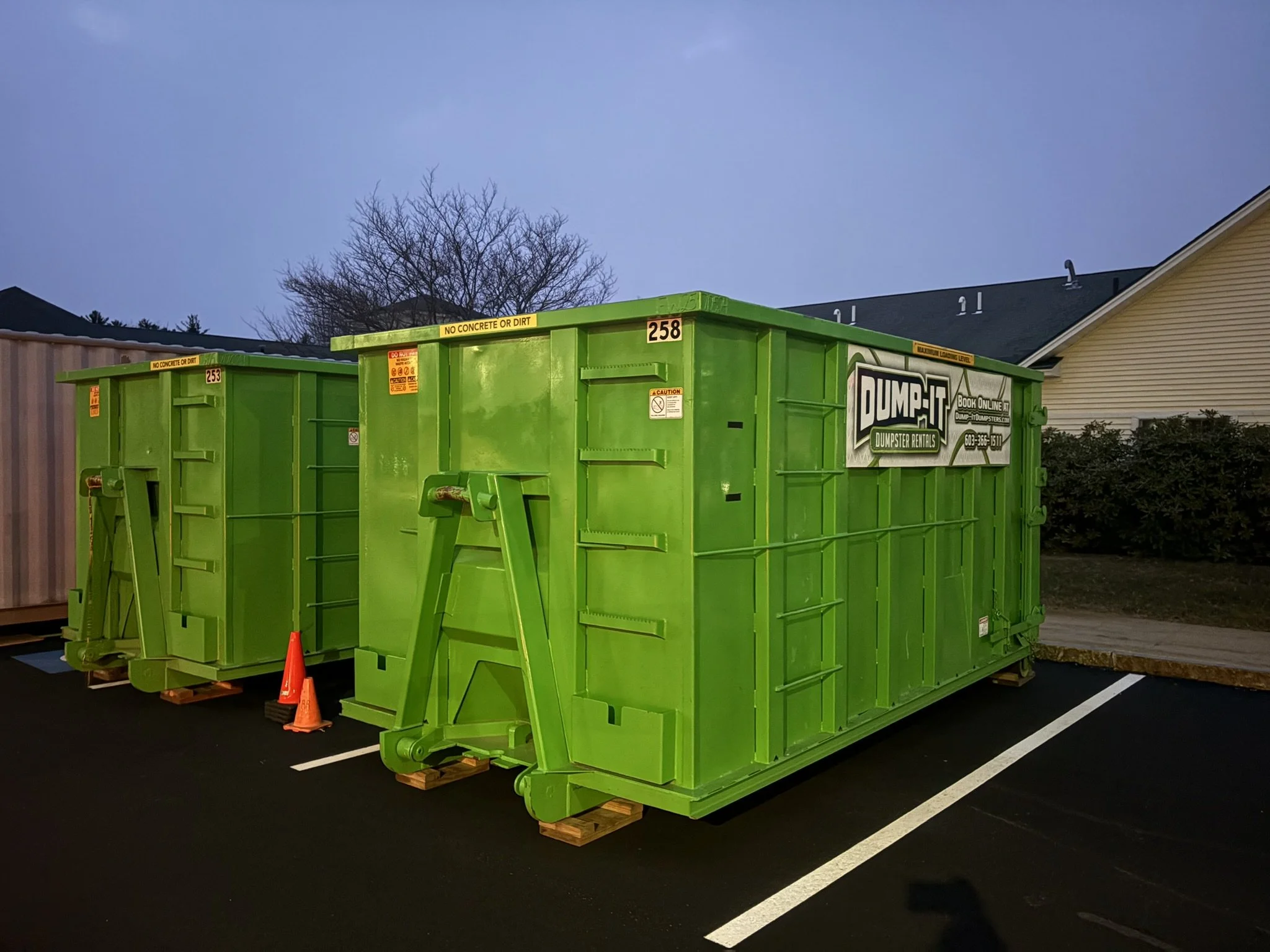
Place is KEY!!
The way you load your dumpster can have a huge impact on how much you fit, how smoothly your project goes, and whether you end up paying extra fees.
A lot of people just start tossing things in randomly, and while that might work at first, it usually leads to wasted space and frustration later on. With a little strategy, you can fit way more into your dumpster and avoid common mistakes.
Here’s how to do it right.
Start with a Solid Base
Always begin by placing flat items on the bottom. Think plywood, doors, drywall, or anything that can create a level foundation.
This does two things:
It stabilizes everything you load on top
It prevents awkward gaps and wasted space
If you start by throwing in random bulky items, you’ll end up with empty pockets of space that you can’t really use later.
Break Down Everything You Can
This is one of the biggest mistakes people make—they don’t break things down enough.
Boxes should be flattened. Furniture should be taken apart if possible. Long pieces should be cut down if it makes sense.
The more compact your materials are, the more you can fit. It might take a little extra effort upfront, but it saves you a lot of space in the long run.
Load in Layers, Not Piles
Think of your dumpster like a puzzle, not a trash can.
Instead of throwing everything into one big pile, try to build it up in layers. Place items strategically, fill gaps, and keep things as even as possible.
This helps you maximize every inch of space instead of ending up with a mountain in the middle and empty space on the sides.
Distribute Weight Evenly
Weight matters—especially if you’re dealing with heavy materials like roofing shingles, dirt, or concrete.
Don’t dump everything heavy into one corner. Spread it out across the container. This keeps the dumpster balanced and helps avoid issues during pickup.
It also helps you stay within weight limits, which can save you from additional charges.
Put Bulky Items in Early
Large items like couches, cabinets, or mattresses should go in earlier rather than later. It’s much easier to fit smaller debris around them than it is to try and squeeze them in at the end.
If you wait too long, you might realize they don’t fit properly anymore—and that’s when things get frustrating.
Don’t Overfill the Dumpster
Every dumpster has a fill line (even if it’s not marked super clearly). Materials should not extend above the top edge.
If they do, the dumpster may not be able to be safely transported. That can lead to delays, additional fees, or needing to unload some of the material.
It’s always better to stay slightly under the limit than push it too far.
Keep Prohibited Items Out
Make sure you know what can and can’t go into the dumpster. Things like tires, batteries, hazardous materials, and certain appliances are often restricted.
Mixing these in can lead to extra handling fees or complications at the disposal site.
Final Tip: Take Your Time (At Least a Little)
You don’t have to load everything perfectly—but taking a few extra seconds to place items properly can make a big difference.
A well-loaded dumpster can hold significantly more than a poorly loaded one. That means fewer headaches, fewer surprises, and a smoother project overall.
📞 Call us at 603-366-1511
💻 Book online at Dump-ItDumpsters.com
📍 Proudly serving Southern & Central New Hampshire
Plan smart. Renovate stress-free.
And book your dumpster early — you’ll be glad you did.