The Ultimate Estate Cleanout Guide for New Hampshire Families
Before You Start: Slow Down
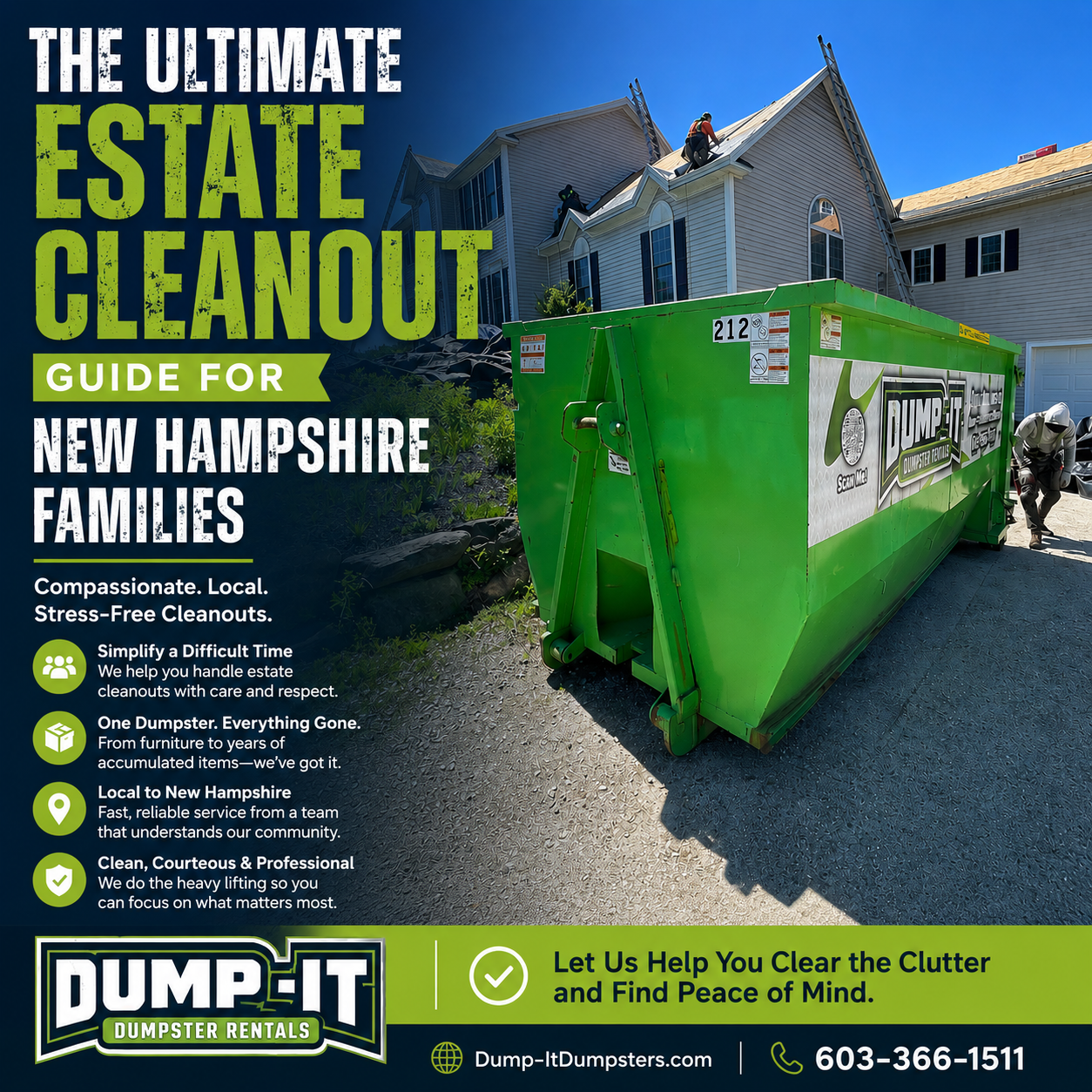
There are few things more emotionally exhausting than cleaning out a loved one's home. You're grieving, you're making decisions under pressure, and every drawer you open has the potential to stop you in your tracks. For New Hampshire families — many of whom are dealing with older farmhouses, multigenerational collections, and rural properties that haven't been touched in decades — the task can feel genuinely enormous.
But here's the truth: estate cleanouts are manageable when you approach them with a plan. This guide is meant to give you that plan, from the first hard conversation with family all the way through the final haul.
The biggest mistake families make with estate cleanouts is starting too fast. The urgency feels real — there's a property to deal with, maybe an estate to settle — but acting too quickly in the early days of grief often leads to decisions people regret. Items get tossed that shouldn't have been. Things get divided before everyone's had a chance to weigh in.
Unless you're under a strict legal or financial deadline, give yourself a few weeks before beginning the full cleanout. Use that time to gather documents, notify relevant parties, and let the dust settle emotionally. If there is a deadline, prioritize the irreplaceable things first — photos, personal letters, heirlooms — and protect those before anything else happens.
Get Everyone Aligned Early
Family dynamics don't dissapear during an estate cleanout — they tend to show up in full force. Siblings disagree about what has value. Old grievances resurface. Someone who didn't help with caregiving suddenly has strong opinions about who gets what.
The best thing you can do is get ahead of it. Before any boxes are packed or items are claimed, bring the family together — even virtually — and establish a clear process. Who has legal authority as executor? How will disputes be resolved? Is there a plan for having valuables appraised before decisions are made?
If your family has existing tension, consider bringing in a mediator or a neutral party to help facilitate. It sounds formal, but it can genuinly prevent the kind of fallout that damages relationships for years. An estate should be a moment of honoring someone's life, not the thing that fractures a family.
Create a Realistic Timeline
One of the most helpfull things you can do early on is build a timeline. How long do you have before the property needs to be vacated or listed? Work backward from that date and assign rough windows to each phase: sorting, selling, donating, and final cleanout.
For a typical New Hampshire home — say, a 3-bedroom house with a full basement and garage — most families find they need at least 4 to 6 weekends to do a thorough job. Larger properties, especially older homes with decades of accumulated belongings, can take considerably longer.
Build in buffer time. Something will always take longer than you expect. And build in breaks — both for practical reasons and emotional ones.
The Room-by-Room Approach
Don't try to tackle the whole house at once. Choose one room, finish it, and then move to the next. This keeps the work from feeling chaotic and gives you a sense of progress.
Start with spaces that are least emotionally charged — a utility room, a garage, a basement storage area. These tend to have less personal significance and let you build momentum before you reach the harder spaces like bedrooms or a home office.
In each room, sort everything into four piles: keep, sell, donate, and discard. Be ruthless about the discard pile — not heartless, but honest. Holding onto things out of guilt rather than genuine connection just transfers the burden to your own home.
For the "keep" pile, it helps to ask: would I display this, use this, or genuinly cherish this? If the answer is no, it's okay to let it go.
Knowing What's Worth Selling
New Hampshire has a rich market for antiques, vintage tools, old furniture, and collectibles — especially in areas like the Lakes Region, the Monadnock area, and the Seacoast. Before you donate or discard anything that looks old or unusual, it's worth getting a quick assessment.
Local estate sale companies can walk through a property and flag what's worth selling. Most work on commission, so there's no upfront cost, and a good company will handle everything from pricing to advertising to the actual sale. This is often the most efficent way to extract value from an estate without spending your own weekends behind a card table.
Alternatively, individual platforms like Facebook Marketplace or local auction houses can work well for specific items if you have the time and energy to manage it yourself.
Donating and Disposing Responsibly
For everythng that isn't worth selling, New Hampshire has solid options. Habitat for Humanity ReStores accept furniture and building materials. Local thrift stores — including Goodwill locations in Concord, Manchester, and Nashua — take houshold goods and clothing. Some organizations will even come pick up larger items, which saves you the effort of transporting them.
For true junk — broken items, unusable furniture, construction debris from any minor repairs — a local junk removal service or dumpster rental is usually the most efficient route. There are reputable companies serving all parts of the state, from the Seacoast up through the North Country. Many offer same-week service, which is useful when you're working against a deadline.
The Paper Trail You Can't Ignore
Somewhere in that house is a folder, a drawer, or a shoebox full of documents that matter. Financial records, insurance policies, property deeds, vehicle titles, and tax returns can easily get buried in general clutter and tossed by mistake.
Before the cleanout begins in earnest, do a dedicated pass through desks, filing cabinets, and anywhere else documents might live. Collect everything that looks potentially important into a single box and hand it off to the estate's attorney or accountant for review. Don't try to assess the significance of every document yourself — that's what the professionals are for.
When to Hire Help
There's no award for doing this entirely on your own. Estate cleanout companies exist precisely for situations like this, and bringing one in doesn't mean you've failed or that you're not honoring your loved one properly.
Professional cleanout services handle the heavy lifting, the hauling, the sorting, and the disposal. Many also coordinate with donation centers and recycling facilities, so you're not just sending everything to a landfill. If you're dealing with a large property, a tight timeline, or just don't have the physical or emotional bandwith to do it yourself, hiring help is a completley reasonable decision.
One Step at a Time
Estate cleanouts are hard. There's no getting around that. But they are also, ultimately, acts of care — a final way of honoring the person who lived in that home and the life they built.
Take it one room at a time. Lean on your family, your community, and the good local resources New Hampshire has to offer. And be patient with yourself throughout the process. There's no perfect way to do this, only the way that gets you through it.
Whether you are planning a cleanout, renovation, construction job, moving project, or property cleanup, Dump-It Dumpster Rentals is here to help.
Contact us today or book online to get started with dependable dumpster rental service you can count on.
📞 Call us at 603-366-1511
💻 Book online at Dump-ItDumpsters.com
📍 Proudly serving Southern & Central New Hampshire
Plan smart. Renovate stress-free.
And book your dumpster early — you’ll be glad you did.